Pain is commonly the very first signal a person gives you, and in some cases the just one you enter a loud emergency situation bay. Handling it well is not regarding giving out analgesia on a schedule. It is reasoning moving: reading the individual, evaluating risk, collaborating with the team, and delivering the ideal treatment at the right time. That is the core of PUAEME008 Give Discomfort Monitoring, the device that underpins safe, effective prehospital and intense treatment analgesia throughout Australia. For registered nurses that wish to develop their practice in high‑stakes setups, grasping this system is both a specialist side and a patient safety and security imperative.
This overview unloads what PUAEME008 truly resembles in technique, why it matters for nurses, and how to equate training into positive, ethical care. It draws on real-world instances, typical risks, and the subtleties that sit behind cool flowcharts.
What PUAEME008 covers, in practice
The title sounds basic: offer discomfort management. The information is not. The system focuses on rapid, methodical pain assessment; safe selection and management of anesthetics within extent; checking for damaging effects; and rise when red flags emerge. It also stresses consent, documents, and teamwork.
In concrete terms, that suggests you need to have the ability to take a person from first get in touch with to safe handover while managing discomfort and not causing injury. You acknowledge when medicinal choices are ideal, when non-pharmacological procedures will certainly add worth, and when to stop and reassess due to the fact that the medical diagnosis is unsteady. You operate within local methods and your credentialed range, which may include inhaled methoxyflurane, intranasal fentanyl, IV morphine, or ketamine, relying on your organisation.
PUAEME008 sits comfortably along with pain monitoring training for nurses supplied with brief programs in pain monitoring or a broader discomfort monitoring certification program. Lots of companies map their discomfort monitoring training courses to this device to aid students acquire a country wide acknowledged statement of attainment, or stack the device right into a certification program hurting administration that includes wider modules in assessment, pharmacology, and communication.
Why registered nurses gain from lining up with PUAEME008
You currently analyze pain every change. The worth of a structured unit is consistency under pressure. In an emergency situation department, rescue tryst, remote center, or retrieval team, consistency implies fewer misses and safer choices. Nurses that finish a discomfort monitoring qualification or a targeted pain monitoring program aligned to PUAEME008 tend to move much faster from acknowledgment to treatment. They likewise document a lot more clearly, an essential secure when handovers extend multiple teams and hours.
For managers, nurses credentialed in puaeme008 offer discomfort monitoring bring quantifiable improvements. Fewer rises for avoidable oversedation. Better patient fulfillment scores. Much shorter time-to-analgesia, which decreases anxiety and secondary injuries from unchecked pain.
There is an individual dimension also: confidence. Couple of things transform the tone of a change like recognizing you can de-escalate serious discomfort safely while the clinical group kinds the underlying cause.
The composition of reliable pain assessment
Numbers assist, yet they are not the entire story. You need to triangulate 3 streams of info: client record, evident behaviour, and physiological context.
Start with the client's words. A numeric ranking range anchors the discussion, yet it can misinform. A calm farmer with a substance shin might report five out of 10 since he wants to stay clear of narcotics. A frightened teenager with kidney colic could report 10 out of 10 and hyperventilate. Take the number, then ask what the discomfort seems like, where it began, whether it radiates, and what aggravates or alleviates it. Quality overviews your differential; sharp pleuritic pain and plain stress are different beasts.
Watch the body. Guarding, splinting, pale clammy skin, shaking, or flinching at light touch all inform you exactly how the nerves is responding. People with cognitive disability, dementia, or language obstacles demand extra treatment. In these situations, pain evaluation tools created for nonverbal people gain their maintain, but you still need to review the room: household input, behavioral changes from standard, and the medical context.
Layer in physiology. A heart price up 20 beats from baseline, high blood pressure adjustments, and breathing pattern changes can signal both pain and decompensation. In a trauma individual with borderline perfusion, selections about analgesia action from basic comfort to hemodynamic strategy.
This thorough approach is embedded in solid discomfort management training, and it is the factor many pain management courses for registered nurses invest as much time on assessment as on pharmacology.
Medication options within scope and context
PUAEME008 acknowledges variant in local authorisations. Some services support breathed in methoxyflurane for moderate to extreme trauma discomfort, intranasal fentanyl for rapid, needle‑free relief, or IV morphine in monitored settings. Others include ketamine for serious pain, especially when hypotension is a concern.
Methoxyflurane is forgiving on the hemodynamics and very easy to provide. It can link the gap while you protect IV accessibility or set up a block. Side effects generally consist of dizziness and nausea. It is unsuitable in substantial kidney problems or in clients with malignant hyperthermia threat. I have actually seen it rescue an otherwise unmanageable extrication, the patient coaching themselves with the whistle in between breaths while we splinted and moved.
Intranasal fentanyl provides speed when time and blood vessels are scarce. Quick start, short period, and foreseeable titration in tiny aliquots. The risk is respiratory system clinical depression, probably in the frail, the intoxicated, or when blended with sedatives. Monitoring is non-negotiable: breathing rate, oxygen saturation, psychological status. If you work in a service that utilizes it, have naloxone ready and a psychological version of reversal dosing.
IV morphine remains a staple, particularly for fractures, burns, and postoperative discomfort. Titrate slowly, reassess after each small dosage, and regard the lag between management and peak effect. One of the most usual error I see in new practitioners is impatience in the very first 5 minutes followed by overshoot. Clock time and patient time do not match when the room is busy.
Ketamine is important when you need analgesia without going down high blood pressure. At analgesic dosing, dissociation is uncommon, yet anticipate weird understandings. Caution the individual regarding a "floaty" feeling. Co-administer a tiny benzodiazepine just if your local protocol sustains it and the patient's respiratory system book is solid. In trauma, ketamine can open splinting and placement that would or else be unbearable.
Non-opioid complements belong. Paracetamol for baseline control, NSAIDs when bleeding danger is reduced, neighborhood anaesthetic infiltration or local blocks if you are educated and authorized. A well-placed femoral nerve block can transform an ordeal into a convenient transfer and decrease total opioid load.
Non-pharmacological procedures are not decoration
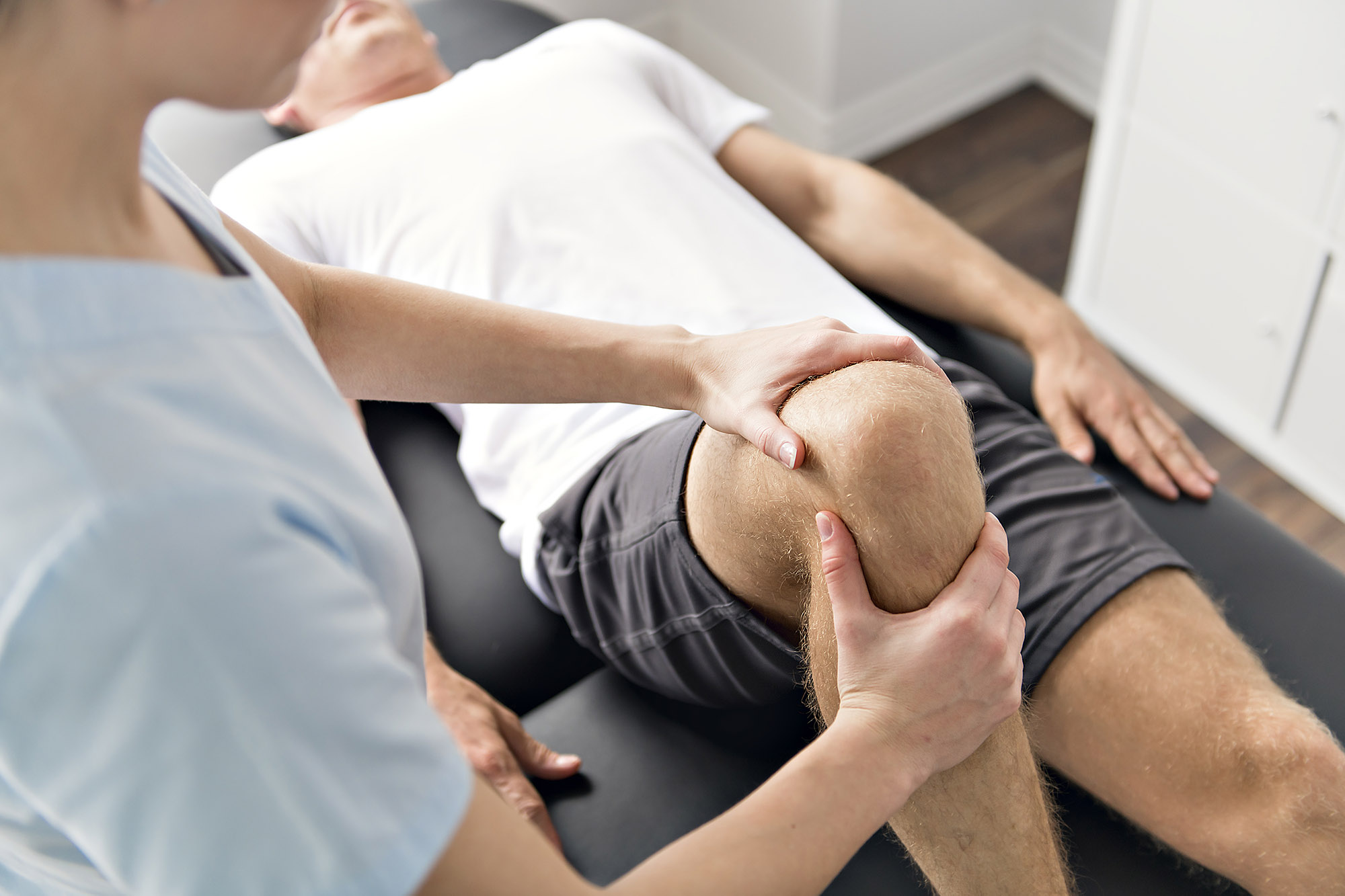
Talk is a method. A calm, details description reduces worry, and are afraid enhances discomfort. Immobilisation, elevation, ice, warmth, and mild positioning are standard yet effective. Diversion works across ages. For burns, amazing running water very early and non-adherent dressings later offer discomfort alleviation that drugs can not match. In a delirious person, dark light and a familiar voice might do more than one more milligram of opioid.
Most pain management training programs neglect how to series these alternatives. The order matters. Immobilise initially in arm or leg injuries, then consider breathed in or intranasal representatives. Air conditioning prior to analgesia is reasonable in little burns, yet in considerable burns aim for analgesia during dressing to prevent hypothermia and distress.
Red flags that override routine
Some pain need to not be blunted up until you are sure of the medical diagnosis. Undifferentiated stomach pain in an unsteady patient warrants slim, cautious titration if any. Analgesia does not unknown peritonitis, but too much sedation can delay essential indications like securing or altered psychological status. Sudden extreme frustration "worst ever before" with neurological change needs neurology and imaging. Neck and back pain with saddle anesthetic or brand-new weakness is a surgical clock. In these circumstances, PUAEME008 does not instruct you to keep comfort. It asks you to balance relief with diagnostic stewardship and to rise quickly.

For breast discomfort, analgesia can assist, yet opioids may go down blood pressure and mask continuous anemia signs and symptoms. Antiplatelets, nitrates if suggested, and oxygen just if hypoxic are the essentials. Deal with pain while you work the method, not as opposed to it.
The art of titration and the self-control of monitoring
Good pain management is seldom a solitary large dosage. It is a collection of small, measured steps, each complied with by review. The review is the part that often tends to slip when the phone rings and the bed alarm goes off. Build a micro-routine: dosage, two minutes observing breathing price and speech, examine the person's description, paper. If you can not view, you can not dose. Delegate or delay.
Monitoring should match the threat. For breathed in methoxyflurane, observe level of consciousness, wooziness, and queasiness. For opioids, add respiratory system price, oxygen saturation, and capnography if readily available. For ketamine, screen blood pressure and development responses. Pain scores help track result, but avoid going after a number to zero. Practical goals matter extra: can the individual take a complete breath, rest between spasms, permit secure repositioning.
Consent, ability, and culture
Consent in emergency situation discomfort administration is often indicated, yet not always. An aware, focused person that rejects an opioid because of past addiction is working out freedom. Offer alternatives, explain your reasoning, and regard the decision. If the client lacks ability due to head injury or shock, act in their best interests making use of least limiting methods and document your rationale.
Cultural factors to consider shape just how individuals reveal pain and approve therapy. In some areas, stoicism is a virtue, in others, singing expression is expected. Do not relate loudness with seriousness or quiet with comfort. Usage interpreters whenever language barriers exist, and avoid leaning on family members to equate medical subtleties like threats of sedation.
Documentation that safeguards individuals and practitioners
Good notes are not verbose, they are structured. Record the first assessment with descriptors, not simply a number. Tape what you offered, dosage, time, course, and action. If you differed common application due to comorbidities or gain access to problems, state so. Consist of negative impacts and the activities taken. If you are functioning within a discomfort administration accreditation program structure, your assessors will look for this reasoning path. In reality, future you will be happy when the specialist asks what took place prior to transfer.
What skilled efficiency resembles throughout settings
Consider a country registered nurse faced with a rollover and a 60‑year‑old with an obviously fractured humerus, hypotensive however speaking. The nurse applies a sling and swathe to immobilise, provides methoxyflurane while preparing an IV line, and requests retrieval. Blood pressure stabilises with fluids and discomfort control. Intranasal fentanyl adheres to in small dosages to preserve convenience throughout the long haul, with essential signs kept track of and documented every five mins. The nurse explains the feelings expected from methoxyflurane, checks for renal problems, and validates no individual or family members background of malignant hyperthermia. On handover, the retrieval team praises the titration and the clear notes. That is PUAEME008 in action.
In an urban ED, a person with a displaced ankle crack shows up in extreme discomfort. The triage nurse initiates analgesia within the rapid assessment area: intranasal fentanyl titrated to functional alleviation to ensure that radiography is possible, complied with by a local block by a credentialed clinician. The nurse anticipates nausea, has an emesis bag prepared, and offers basic descriptions to maintain rapport. The client stays clear of throwing up, maintains oxygen saturation stable, and goes through a smooth decrease. Minutes cut, distress reduced.
Common mistakes and exactly how to avoid them
Over-reliance on single techniques brings about aggravation. If all you have is IV morphine, you may under-treat due to the fact that accessibility is postponed or the client is needle-phobic. Develop a layered plan that transitions from breathed in or intranasal agents to IV as appropriate. Another catch is application by practice as opposed to weight, age, and comorbidity. Sickly older adults require smaller sized increments and longer pauses between doses. Individuals with sleep apnea or chronic obstructive pulmonary condition are sensitive to breathing depression; maintain the head raised, take into consideration reduced opioid dosages, and use capnography pain management courses when you can.
A third challenge is ignoring non-pharmacological treatment while chasing a number. A well-padded splint or mild repositioning can halve an analgesic need. Ultimately, groups sometimes fail to remember to describe what the person will certainly really feel. When a client recognizes methoxyflurane can trigger faintness, they will certainly not worry. When ketamine's affective changes are predicted in plain language, you minimize fear.
Training paths that map to PUAEME008
For nurses, the most effective access is a program plainly aligned to PUAEME008 Offer Discomfort Administration, with sensible assessment under guidance. Search for courses that include online circumstances, not just e-learning. High-quality pain management training for nurses mixes brief theory components with hands-on method making use of methoxyflurane tools, intranasal atomisers, and IV cannulation where within scope.
If you require qualifications rapidly, brief courses hurting management can strengthen abilities without lengthy research study obstructs. For wider range or management roles, a pain monitoring qualification training course that pairs PUAEME008 with advanced evaluation, opioid stewardship, and local strategies is worth the moment. Lots of organisations will certainly accept a discomfort monitoring certification as component of your credentialing documents, particularly if the provider is identified and the analysis consists of straight monitoring. If you are functioning together with allied wellness, take into consideration cross-disciplinary sessions. Discomfort monitoring programs for physio therapists usually master non-pharmacological methods that registered nurses can incorporate right into intense care plans.
Clinicians in prehospital or urgent care settings should verify that their selected program instructs emergency situation discomfort management in reasonable contexts. Request information on trainer experience, situation hours, and post-course assistance. Some service providers consist of a refresher course library for 6 to twelve months, which helps with ability retention.
Skill upkeep and audit
Skills discolor without repetition. Arrange refreshers every 6 to year for high-risk medicines. Run quick simulations during team gathers: one five-minute go through of intranasal dosing and monitoring buys a great deal of security. Maintain a basic audit: time-to-analgesia from triage or initial contact, percent of people with documented reassessment within ten mins, and cases of damaging events. When numbers drift, target training. If your service uses a supply pain management course straightened with PUAEME008, construct its proficiencies into your yearly appraisal.
Ethical technique in the age of opioid stewardship
Safe analgesia must live alongside a reality: opioids can damage. Stewardship does not mean holding back needed relief, it indicates accuracy. Use the lowest efficient dose, pair with non-opioid methods where feasible, and prepare for de-escalation. For known chronic discomfort clients, prevent duplicating their standard opioids while you address acute exacerbations. Verify existing programs, consider tolerance, and team up with pain services when offered. Give take-home directions that expect rebound pain and queasiness, and guarantee clients recognize that to call if signs and symptoms escalate.
Communication as professional intervention
Words lug as much weight as milligrams. When you walk in tranquil, name the most likely source of pain in simple language, and outline what you are about to do, blood pressure commonly goes down a couple of factors before any drug goes into. Invite concerns. Reflect what you see: "Your breathing is easing with this dosage. We will certainly provide one more percentage and keep viewing your oxygen." This running discourse develops trust and assists you see adjustments. Families cool down, which frees your hands and focus for the patient.
Building a neighborhood protocol that works
Even the very best trained registered nurse battles without a clear procedure. If you have influence in your device, form a concise algorithm that fits your pain management certificate course formulary and tools. Keep it on one web page at the bedside: analysis hints, first-line options by seriousness, titration actions, keeping an eye on criteria, and details cautions. Include a quick section on individuals with minimal capability or language barriers. Make it easy to comply with under anxiety. Align it clearly to PUAEME008 to support training, compliance, and audit.
A short, practical list for the next shift
- Verify scope, stock, and tools for analgesia at the start of shift; check methoxyflurane materials, intranasal atomisers, and turnaround agents. Assess discomfort utilizing words, behavior, and physiology; file descriptors, not simply a number. Choose the lined up technique for the scenario; titrate in little steps and reassess after each dose. Layer non-pharmacological actions early; immobilise, placement, and connect clearly. Monitor and record response and adverse impacts; rise when red flags or irregular patterns appear.
The throughline: proficiency as practice, not heroics
Mastering PUAEME008 is much less concerning memorizing medicine graphes and more concerning creating dependable behaviors. See very closely, act early, dose carefully, and talk plainly. Transform what you discover in a discomfort administration course right into muscular tissue memory. With time, you will feel the change. The patient who might not take a breath via broken ribs will certainly take a complete, constant breath while you adjust the cushion. The young person with a disjointed shoulder will nod when you tell them the next minute will certainly really feel odd, then unwind as the joint slides home. The team will aim to you when discomfort intimidates to hinder care, since you make it routine.
For nurses, that is the pledge of aligning with PUAEME008 provide pain monitoring: fewer minutes of vulnerability, even more minutes of definitive relief, and a technique grounded in ability, empathy, and security. Whether you seek a formal discomfort administration accreditation, a targeted pain management certificate program, or pile devices within a larger program, the real step rests at the bedside. Discomfort will maintain coming. With the best training, you will meet it well.